Santa Fe Springs Electrical Safety Inspections Checklist
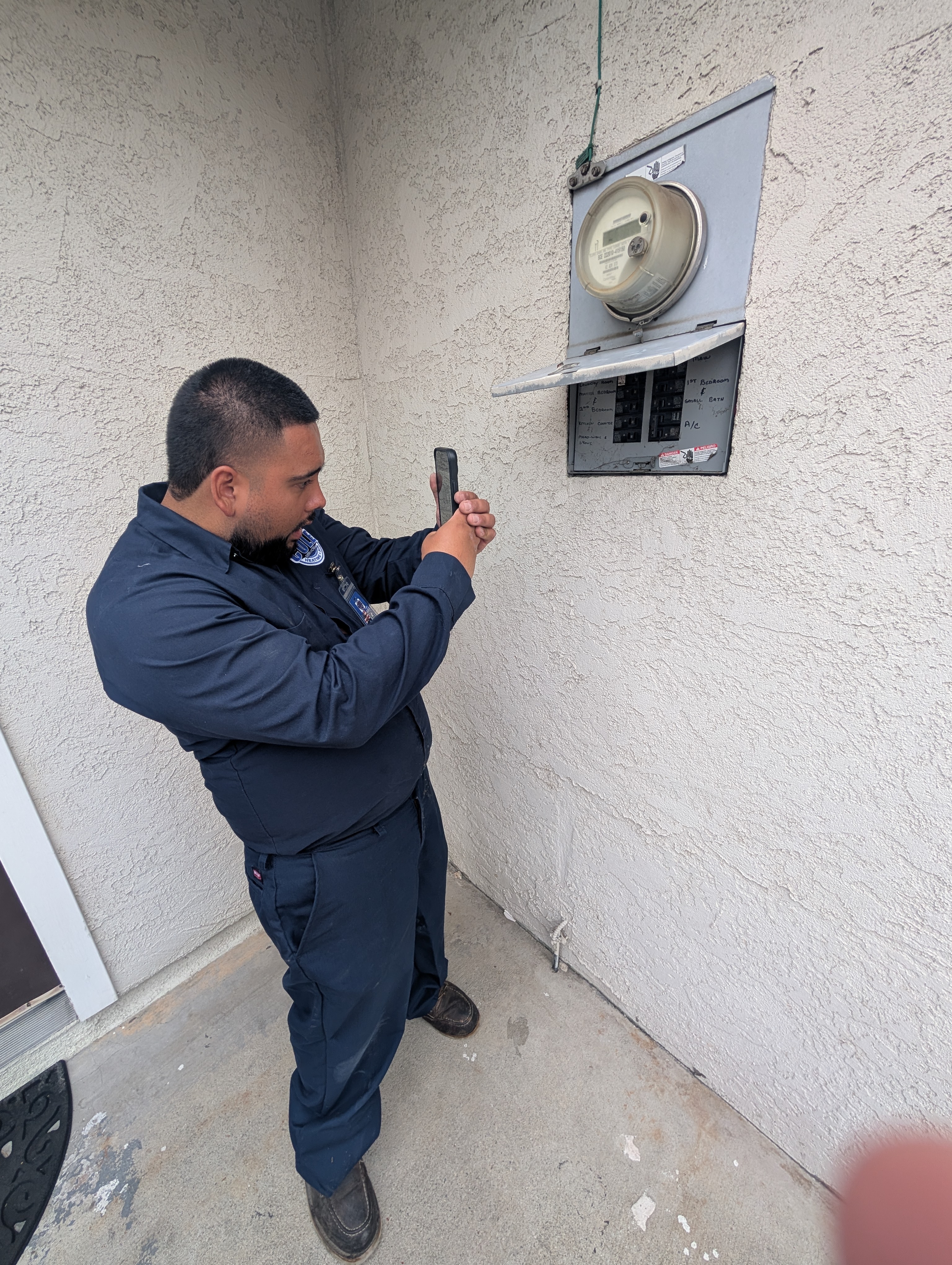
If you are wondering what is included in an electrical panel inspection checklist, you are not alone. A proper electrical panel inspection checklist helps catch fire risks, nuisance trips, and capacity problems before they escalate. At Cole Services, we make the process clear, code‑compliant, and homeowner friendly, with options for upgrades when needed and savings through our Cole Comfort Club.
Why Electrical Panel Inspections Matter
Your electrical panel is the traffic control center for power in your home. When components wear out, get overheated, or are incorrectly sized, you risk everything from flickering lights to electrical fires. A professional inspection verifies safe operation, confirms code‑compliant protection, and reveals opportunities to improve reliability. It also documents your system’s condition for remodels, property sales, or insurance needs.
A thorough inspection is especially important if you have an older home, added large appliances, installed EV charging, or notice breakers tripping. In coastal neighborhoods like Huntington Beach or Long Beach, salt‑laden air speeds corrosion. Inland heat in Anaheim or Corona can stress aging breakers and insulation. Regular checks keep you ahead of these local stressors.
What Electricians Check: The Complete Electrical Panel Inspection Checklist
A licensed electrician evaluates safety, capacity, and performance. Below is a plain‑English walkthrough of what we check and why it matters.
1) Utility Service and Main Disconnect
- Verify service entrance conductors are intact and properly secured.
- Confirm main breaker rating matches service size and is operable.
- Check torque on lugs and look for discoloration, pitting, or arcing marks.
- Validate that the service mast, meter, or weatherhead shows no water intrusion.
Why it matters: The main disconnect is your first layer of defense. Overheating here can cascade into widespread failures.
2) Panel Labeling and Documentation
- Confirm accurate circuit directory with legible, specific labels.
- Identify dedicated circuits for appliances like dryers, ranges, and HVAC.
- Note any abandoned or double‑tapped breakers for correction.
Why it matters: Clear labeling speeds emergency response, safer DIY choices like turning off the right circuit, and future service.
3) Breaker Condition and Sizing
- Inspect for physical damage, burnt odor, or heat discoloration.
- Verify breaker types match the panel listing and bus stab design.
- Confirm amperage sizing matches conductor gauge and load demands.
- Test nuisance tripping and reset function.
Why it matters: Mismatched or fatigued breakers either trip too often or not at all. Both are safety issues.
4) Bus Bars and Terminations
- Inspect hot and neutral bus bars for corrosion and hot spots.
- Confirm tight, single‑conductor terminations where required.
- Check for aluminum wiring terminations that need antioxidant compound and listed connectors.
Why it matters: Loose or corroded terminations create resistance heat, a common source of panel damage.
5) Grounding and Bonding
- Verify main bonding jumper location and that neutrals and grounds are correctly isolated in subpanels.
- Inspect grounding electrode conductor to rod or UFER connection.
- Confirm supplemental bonding of metal piping systems where applicable.
Why it matters: Proper grounding and bonding reduce shock risk and help breakers clear faults fast.
6) GFCI and AFCI Protection
- Confirm GFCI protection for wet‑area circuits and exterior outlets.
- Verify AFCI protection in required living areas when applicable to panel or branch circuits.
- Test built‑in buttons to ensure protection trips and resets correctly.
Why it matters: GFCI prevents shock hazards, while AFCI reduces arc‑fault fire risks in living spaces.
7) Whole‑Home Surge Protection
- Check for a listed surge protective device (SPD) at the panel.
- Confirm correct breaker sizing and bonding for the SPD.
Why it matters: Spikes from utility events or storms can destroy electronics and sensitive appliances. A panel‑mounted SPD is your first line of defense.
8) Wire Gauge, Insulation, and Splices
- Compare conductor gauge to breaker size.
- Inspect insulation for brittleness, nicks, or overheating.
- Identify any improper splices or use of wire nuts inside the panel space.
Why it matters: Undersized or damaged conductors overheat under load and can fail without warning.
9) Heat, Moisture, and Corrosion Checks
- Use non‑contact and contact methods to look for hot spots.
- Inspect for rust, water tracks, or condensation signs inside the cabinet.
- Look for nearby sources of moisture like laundry areas without protection.
Why it matters: Moisture and heat drastically shorten the life of panel components and can create dangerous conditions.
10) Working Clearance and Enclosure
- Confirm code‑required clearances in front of and around the panel.
- Check that the deadfront and all knockouts are secure and intact.
- Ensure no combustible storage encroaches on the working space.
Why it matters: Proper clearance is a safety and code requirement that protects both homeowners and technicians.
11) Load Calculation and Capacity
- Ask about new loads such as EV chargers, hot tubs, or additions.
- Perform or update a load calculation to confirm service adequacy.
- Recommend panel or service upgrades when margin is too tight.
Why it matters: Running a panel near or beyond its design can cause overheating, tripping, and equipment failures.
12) Performance and Functional Tests
- Cycle representative breakers under supervision.
- Verify voltage balance between legs and acceptable neutral‑to‑ground conditions.
- Test GFCI/AFCI devices and document results.
Why it matters: Functional tests prove the system performs as designed, not just how it looks.
13) Safety Devices and Recall Checks
- Identify obsolete or recalled equipment and document risk level.
- Recommend proactive replacement where failure risk is known.
Why it matters: Some legacy equipment has known safety issues. Replacing them reduces liability and improves home safety.
14) Code Compliance and Permitting Guidance
- Compare findings to current local code requirements for upgrades and remodels.
- Explain what work requires a permit and schedule accordingly.
Why it matters: Compliant work protects your investment and avoids problems during appraisals, insurance claims, or home sales.
Signs You Need an Electrical Panel Inspection Now
If you notice any of the following signs, give our electricians a call:
- Power loss not related to utility outages
- Electrical shorts
- Burning smells from outlets or electrical panels
- Sparking or arcing electrical components
- Breakers that repeatedly trip, especially with heat or odor
- Overheating electrical panels
- Water intrusion into electrical systems
- Exposed or damaged wiring
Act quickly. These are high‑priority safety flags and often indicate overheating, degraded insulation, or poor connections.
Common Repairs or Upgrades After an Inspection
Based on the findings, your electrician may recommend:
- Circuit breaker installation and testing
- Replace fatigued or mismatched breakers.
- Add new breakers for dedicated appliances or remodels.
- Electrical panel upgrades
- Increase capacity to support EV chargers, heat pumps, or additions.
- Replace obsolete or corroded panels.
- Whole‑house surge protection
- Install a listed SPD at the panel to protect electronics and HVAC boards.
- Ground wire installation
- Correct missing or inadequate grounding to improve safety and fault clearing.
- GFCI outlets and protection updates
- Bring kitchens, baths, garages, exteriors, and laundry areas up to modern protection standards.
- Outlets and switches
- Replace heat‑discolored, noisy, or loose devices that indicate arcing or wear.
- Labeling and documentation
- Create a clean circuit directory for faster, safer future service.
These recommendations align with what we find most often in Southern California homes, where remodel activity, outdoor living spaces, and sensitive electronics are common.
How Often Should You Inspect and Who Should Do It?
- Homeowners: Visually check your panel area twice a year for rust, water stains, or burning odors. Do not remove the panel cover.
- Licensed electrician: Perform a comprehensive electrical inspection every 3 to 5 years, or immediately after major appliance additions, remodels, or persistent tripping.
- Real estate and remodels: Schedule a professional inspection before listing or pulling permits to avoid surprises.
At Cole Services, inspections are performed only by fully licensed and insured electricians. You receive a written report, clear pricing for any fixes, and options that fit your budget and timeline.
What To Expect During a Cole Services Electrical Panel Inspection
Here is our typical process:
- Safety briefing and walk‑through of your concerns and recent changes.
- De‑energize where required and open the panel to inspect components.
- Perform thermal, visual, and functional checks on breakers, bus bars, and terminations.
- Verify grounding, bonding, and GFCI/AFCI protection.
- Evaluate load capacity for current and future needs.
- Document code issues and explain options.
- Provide an on‑the‑spot estimate for corrections when possible.
Why homeowners choose us:
- Family‑owned and trusted since 1969.
- 24/7 live answering and priority scheduling through our Cole Comfort Club.
- 100% Satisfaction Guarantee on our workmanship.
- Up‑front pricing with no surprises.
- CA License #718978 and background‑checked technicians.
Cost, Timing, and How To Prepare
- Timing: A typical panel inspection takes 45 to 90 minutes, longer if we discover complex issues.
- Cost: Pricing depends on home size and panel access. Comfort Club members receive a 15% service discount on electrical services, up to $200.
- Preparation checklist:
- Clear 3 feet in front of the panel and move stored items.
- Make a list of tripping breakers or affected rooms.
- Note recent appliance installs like EV chargers, spas, or HVAC changes.
- Keep pets secured and provide access to exterior panels.
Local Insight for Orange and Los Angeles County Homes
- Coastal corrosion: In areas like Huntington Beach and Long Beach, salt air accelerates rust. Panels near garages or exterior walls need extra attention.
- Heat stress: Warmer inland cities such as Anaheim, Irvine, and Corona see more thermal cycling, which loosens lugs and stresses breakers.
- Remodeling hotspots: Los Angeles and Santa Ana homeowners often upgrade kitchens and add ADUs. These projects usually require panel capacity checks and new dedicated circuits.
- Older wiring: Parts of Torrance and Garden Grove include mid‑century homes. Expect mixed wiring types, limited labeling, and grounding gaps that inspections catch early.
Targeted inspections with local know‑how reduce callbacks, protect sensitive electronics, and help you pass permit inspections the first time.
Special Offers for Electrical Safety
- Save 15% on electrical services as a Cole Comfort Club member (up to $200). Enjoy priority 24/7 service and ongoing safety inspections.
- Free Home Safety Check with any service. Ask when you schedule your electrical panel inspection.
Call 888-380-1775 or schedule at https://www.cole-services.com/ and mention the Comfort Club for your member savings.
What Homeowners Are Saying
"Jeffery was a pleasure to have complete work in my home. He came in assessed the situation and thoroughly explained what should be while also giving additional options... He replaced the outlet, the outlet box and the burnt electrical cord. Also, helped label my fuse box correctly." –Customer, Electrical Service
"AC technician Oscar is very hard working reliable professional did well done thorough inspection of hvac system gave me options for improvements. Happy to be part of Cole Services membership program. Highly recommend cole services for plumbing, electrical and air conditioning and heating trades." –Customer, Membership Program
Frequently Asked Questions
How often should I schedule an electrical panel inspection?
Every 3 to 5 years for most homes, and immediately after adding large loads like EV charging, spas, or a remodel. Schedule sooner if you notice burning smells or frequent trips.
Do I need a panel upgrade to add an EV charger?
Not always. We perform a load calculation first. If capacity is tight, we may recommend a panel upgrade or load management options to keep everything safe and reliable.
What if my breakers trip often?
Frequent tripping signals overloads, faulty breakers, or wiring issues. An inspection identifies the root cause and whether you need circuit balancing, new breakers, or dedicated circuits.
Can I remove the panel cover and look inside?
No. For safety, leave the deadfront in place. Homeowners can check for odors, rust, or heat at the exterior. A licensed electrician should open the panel.
Will you provide a report and pricing for fixes?
Yes. You receive a written summary, photos when helpful, and up‑front pricing for any recommended repairs or upgrades. Comfort Club members receive a 15% discount.
Summary
A professional electrical panel inspection checklist protects your home from shock, fire, and surprise outages. For homeowners in Los Angeles, Orange County, and nearby cities, schedule your electrical panel inspection checklist with Cole Services to verify safety and plan smart upgrades.
Call or Schedule Now
Call 888-380-1775 or visit https://www.cole-services.com/ to book today. Mention the Cole Comfort Club for 15% off electrical services (up to $200) and ask about a Free Home Safety Check with any service.
Book your electrical panel inspection now: 888-380-1775 or online at https://www.cole-services.com/. Protect your home, save with Comfort Club, and get priority 24/7 service.
About Cole Services
Family owned and trusted since 1969, Cole Services provides licensed and insured electrical, HVAC, and plumbing expertise across Orange and Los Angeles counties. We offer 24/7 live answering, up‑front pricing, and a 100% Satisfaction Guarantee. Members of our Cole Comfort Club receive priority service plus discounts. Recognized locally for excellence and operating under CA License #718978, our electricians are background‑checked, arrive with fully stocked trucks, and complete most repairs on the first visit.
Sources8
Source links open in a new tab.
- Happy comment by Brendan T.google.com (opens in a new tab)
- Happy comment by Nancy Grossman-Samuelgoogle.com (opens in a new tab)
- Happy comment by Lisa Dgoogle.com (opens in a new tab)
- Happy comment by James Bmgoogle.com (opens in a new tab)
- Electrician Services in Garden Grove & El Segundocole-services.com (opens in a new tab)
- We Support Local Causes | Cole Servicescole-services.com (opens in a new tab)
- Best Heat Pump Installation In Orange County, CAcole-services.com (opens in a new tab)
- Contact Us | Cole Services | Orange County, CAcole-services.com (opens in a new tab)